

Why Is My Hair Falling? Common Reasons Explained
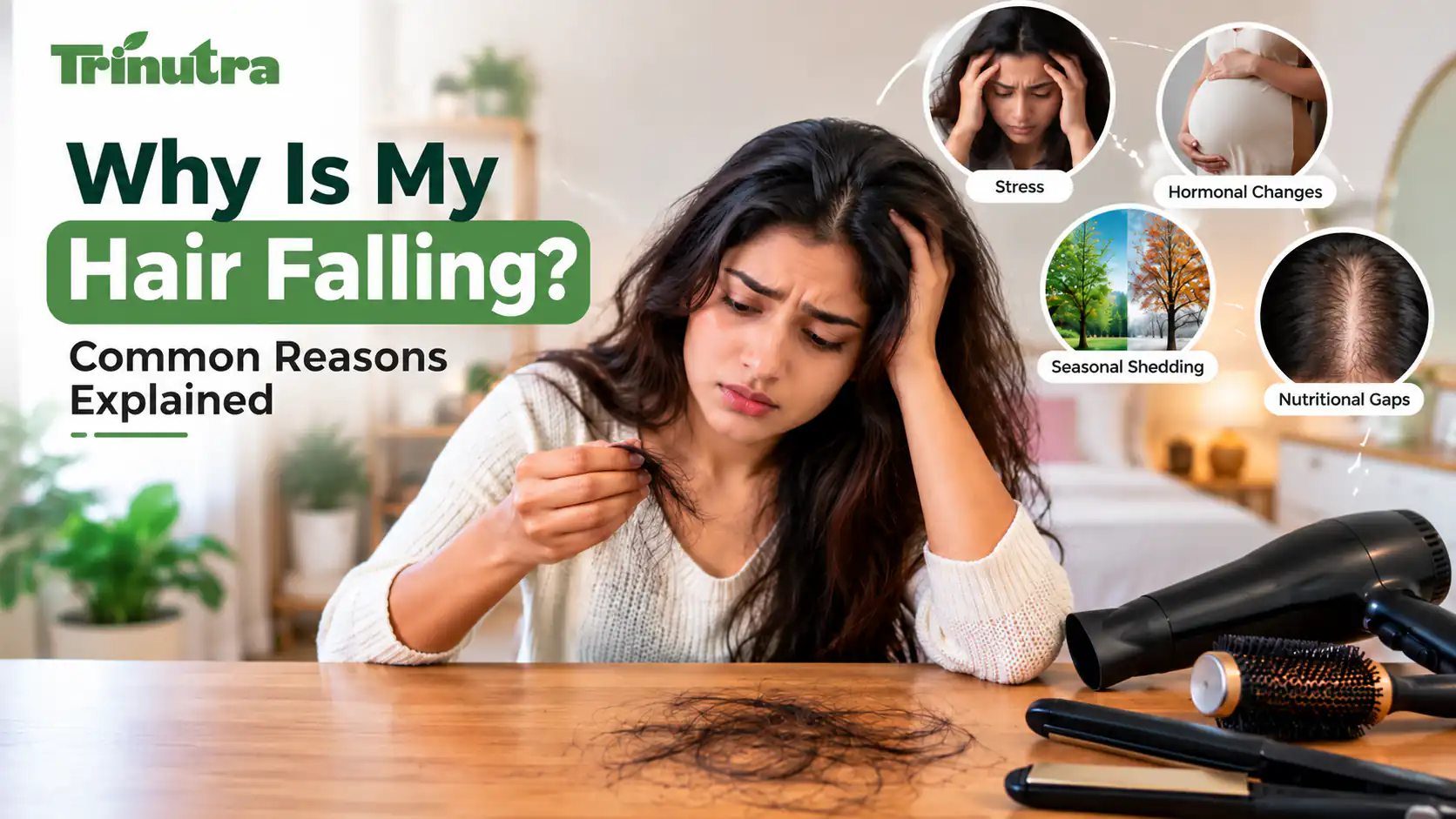
Do you keep finding extra strands on your pillow, in your comb, or clogging the shower drain? You're not imagining it, and you're definitely not alone. Almost everyone asks "why is my hair falling" at some point, and the honest answer is that it usually comes down to a handful of common, very fixable reasons. Let's break them down in simple terms so you know exactly what's going on with your hair.
How Much Hair Fall Is Actually Normal?
Before you panic, know this: losing 50 to 100 strands a day is completely normal. Your hair goes through natural growth and rest cycles, so some shedding happens every single day. The real concern starts when you notice sudden clumps, visible thinning, or a receding hairline. That's when it's worth digging into why hair fall occurs in your specific case.

Common Causes Behind Hair Fall
Stress and hair loss often go hand in hand. When you're under constant pressure, your body pushes hair follicles into a resting phase earlier than usual, which leads to noticeable shedding a few months later. Deadlines, exams, family pressure, and poor sleep all add up.
Hormonal hair fall is another big one, especially for women. Pregnancy, thyroid issues, PCOS, and even puberty can throw your hormone levels off balance, and hair often reacts before anything else does.
Seasonal hair shedding catches a lot of people off guard. It's completely natural for hair to shed more heavily during certain months, similar to how trees lose leaves in autumn. This usually settles on its own within a few weeks.
Beyond these, poor diet, hard water, harsh styling products, tight hairstyles, and skipping meals all quietly damage your hair over time. Nutritional gaps, particularly low iron, zinc, and biotin, are extremely common in Pakistan due to diet patterns and are a major reason women in particular ask why their hair is falling.
Quick Comparison: Common Hair Fall Triggers
|
Cause |
Typical Signs |
What Usually Helps |
|
Stress |
Sudden shedding, thinning at the crown |
Better sleep, stress management, patience |
|
Hormonal changes |
Shedding linked to pregnancy, thyroid, or PCOS |
Doctor consultation, hormone-friendly nutrition |
|
Seasonal shedding |
Mild, temporary increase in fall |
Gentle care, usually resolves on its own |
|
Nutritional deficiency |
Weak, brittle strands, slow regrowth |
Balanced diet, targeted supplementation |
|
Harsh hair care habits |
Breakage, dryness, split ends |
Mild products, less heat styling |
How to Fill Nutritional Gaps for Better Health
Once medical causes are ruled out, nutrition is usually the easiest piece to fix, and it's also the most overlooked. Your hair follicles need a steady supply of protein, biotin, zinc, and collagen to stay in their active growth phase. When your diet falls short, hair becomes thinner, weaker, and sheds faster than it should.
This is exactly where a good supplement can support your routine. Many people using Trinutra's Hair, Skin & Nails – Biotin & Collagen find it helps fill these everyday nutritional gaps, supporting stronger hair and reducing hair fall over time when paired with a balanced diet and consistent care. If your hair fall feels diet-related rather than medical, it's worth giving your body the nutrients it's missing.
If you're tired of guessing what your hair actually needs, take a look at what Trinutra offers and pick a routine that fits your lifestyle.

When Should You See a Doctor?
Most hair fall settles down with better nutrition and a calmer routine, but see a dermatologist if you notice bald patches, sudden hair loss in clumps, scalp pain, or shedding that doesn't improve after a few months. These signs point to something that needs proper medical attention rather than home remedies alone.
CLOSING WORDS
Hair fall can feel stressful, but in most cases, it comes down to a mix of stress, hormones, seasonal changes, or simple nutritional gaps, all of which you can actively work on. Start with the basics: eat well, manage stress, and give your hair the nutrients it needs to stay in its growth phase. Trinutra believes healthy hair starts from the inside out, and small, consistent changes make a real difference over time. If you'd like to explore more, feel free to visit our website.
Want to support healthier hair from within? Explore Trinutra hair wellness solutions and take the next step toward your hair-care journey.
Frequently Asked Questions
Why is my hair falling out so much all of a sudden?
Sudden hair fall is usually linked to stress, illness, a recent fever, or a major hormonal shift, and it often shows up two to three months after the trigger.
Why does hair fall more in winter or during season change?
Seasonal hair shedding is a natural cycle many people experience, and it typically calms down within a few weeks without any treatment.
Can lack of vitamins cause hair fall?
Yes, low levels of iron, vitamin D, zinc, and biotin are common causes of thinning and shedding, especially in South Asian diets.
Is hair fall due to PCOS reversible?
With proper hormonal management and nutritional support, many women see noticeable improvement, though it takes time and consistency.
Does oiling hair actually stop hair fall?
Oiling can improve scalp circulation and reduce dryness, but it won't fix hair fall caused by internal issues like deficiencies or hormones.
How long does it take to see results from hair supplements?
Most people notice visible changes after 2 to 3 months of consistent use, since hair growth happens in slow cycles.
Should I be worried if my hairline looks thinner?
A slightly thinner hairline isn't always alarming, but if it progresses quickly, it's best to consult a dermatologist to rule out pattern hair loss.
Experience Authentic Wellness
Browse Trinutra's full catalog of 100% halal, cold-extracted herbal formulas with Cash on Delivery nationwide across Pakistan.